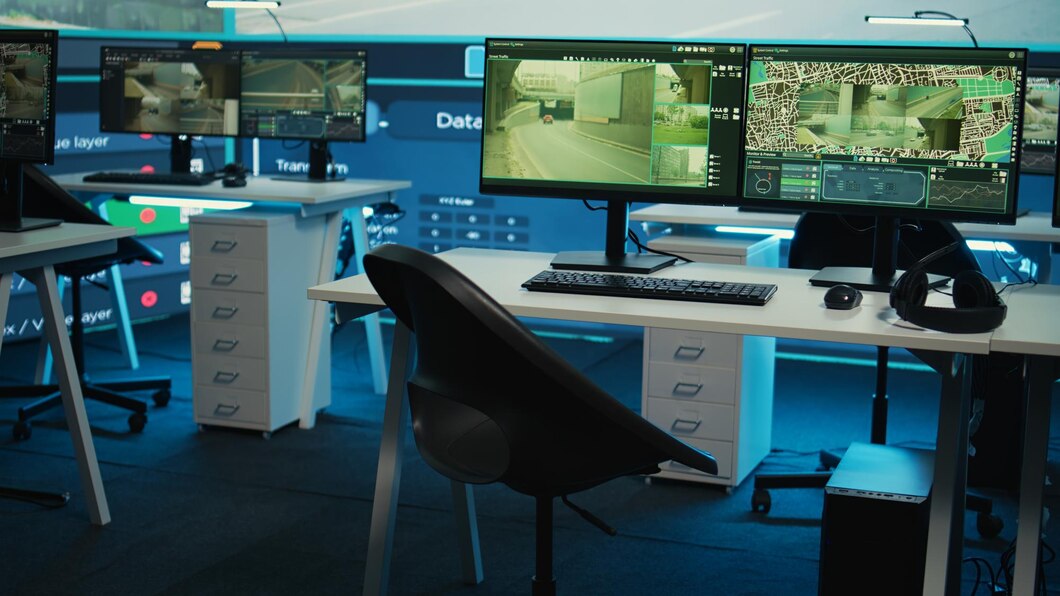
NextWave’s AI-powered LPR module doesn’t just read plates — it cross-references watchlists, logs entry and exit events, and integrates with your access control system in real time.
License Plate Recognition (LPR) is a technology that automatically reads and identifies vehicle number plates using cameras and artificial intelligence. In systems like NextWave VMS, LPR is integrated with video management software to monitor vehicles, improve security, and automate access control. The system captures images of vehicles passing through a camera and uses advanced algorithms to detect, read, and store the license plate numbers in a database.
The first step in the LPR process is image capture. Special high-resolution cameras are placed at entrances, roads, parking areas, or checkpoints. When a vehicle passes through the camera’s field of view, the camera captures clear images or video frames of the vehicle and its number plate. These cameras often include infrared lighting so that the plate can be read accurately even at night or in low-light conditions.
After capturing the image, the system performs plate detection. In this stage, artificial intelligence analyzes the image to locate the exact area where the license plate appears. Since vehicles come in different sizes, angles, and speeds, the software must first isolate the rectangular region of the plate from the rest of the image. This detection process uses computer vision algorithms that identify shapes, contrast, and patterns typical of license plates.
Once the plate is detected, the next stage is character recognition. The system uses Optical Character Recognition (OCR) to convert the characters on the license plate into digital text. For example, if a plate reads “ABC 1234,” the software extracts each letter and number and converts them into machine-readable data. Advanced systems like NextWave’s can recognize different plate formats used in various countries and regions.
After recognition, the system performs data processing and verification. The recognized license plate number is stored in a database along with additional information such as time, date, camera location, and captured images. The software can then compare the plate number against predefined lists, such as authorized vehicles, blacklisted vehicles, or stolen cars. If a match is found, the system can automatically trigger alerts or security actions.
In practical applications, LPR technology is widely used for traffic monitoring, parking management, toll collection, and security enforcement. For example, it can automatically open a gate when an authorized vehicle arrives at a facility. It can also alert security teams when a suspicious vehicle enters a restricted area. Because the system works automatically and processes data quickly, it significantly reduces manual work for security staff.
Overall, NextWave’s LPR integration enhances surveillance systems by turning ordinary cameras into intelligent monitoring tools. By combining AI video analytics with automated license plate recognition, organizations can track vehicle movements, improve safety, and manage access to secure locations more efficiently. As smart-city projects expand worldwide, technologies like LPR are becoming essential components of modern transportation and security infrastructure.