
Biometric access control systems are becoming increasingly popular as businesses look for secure and efficient ways to manage entry to offices, facilities, and restricted areas. These systems rely on unique biological characteristics—such as fingerprints or facial features—to verify a person’s identity. Two of the most widely used technologies are Fingerprint Recognition and Facial Recognition. Each method offers its own advantages and limitations, and the best choice depends on the specific needs of your business.
Fingerprint recognition is one of the oldest and most commonly used biometric technologies. It works by scanning the unique patterns of ridges and valleys on a person’s finger and comparing them with stored data in a database. When an employee places their finger on the scanner, the system quickly verifies their identity and grants or denies access. Fingerprint systems are generally affordable, reliable, and easy to implement, making them a popular choice for small and medium-sized businesses.
Another advantage of fingerprint recognition is its high level of accuracy. Since no two individuals share identical fingerprints, the system can effectively prevent unauthorized access. It is also widely used in employee attendance systems, allowing companies to track working hours and prevent time fraud. However, fingerprint systems require physical contact with the scanner, which may raise hygiene concerns in environments where many people use the device. In addition, fingerprints may sometimes be difficult to scan if a person’s hands are dirty, wet, or damaged.
Facial recognition technology offers a more advanced and contactless alternative. Instead of scanning a fingerprint, the system uses cameras and artificial intelligence to analyze a person’s facial features, such as the distance between the eyes, the shape of the jawline, and other facial characteristics. Once the system matches the face with stored data, it automatically grants access. This method allows users to pass through access points without touching any device, making it convenient and hygienic.
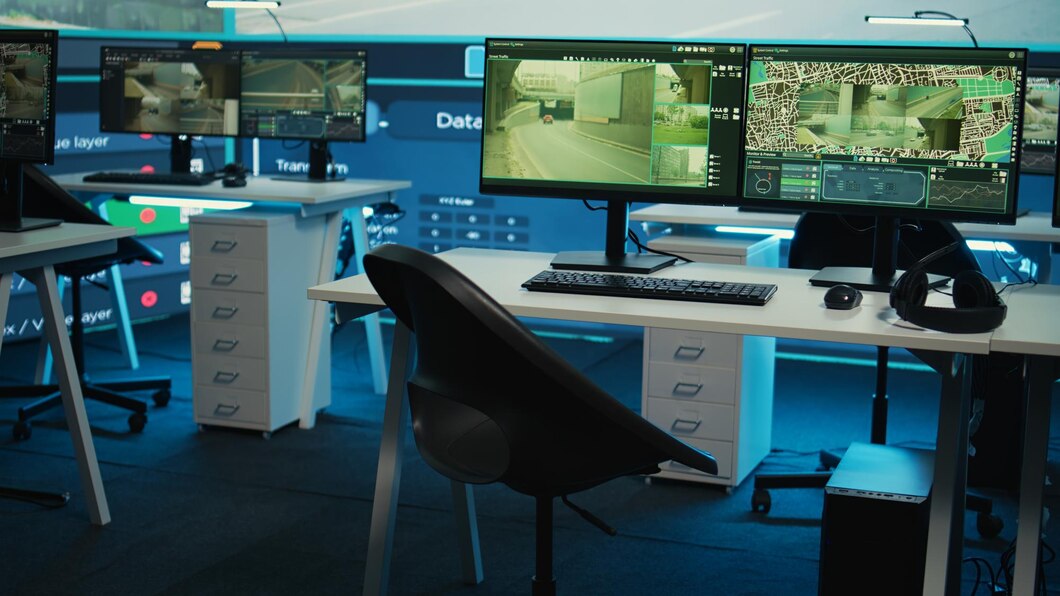
Facial recognition systems are particularly useful in high-traffic environments such as corporate offices, airports, and large facilities where many people need to move quickly through entry points. Because the system works through cameras, it can also monitor multiple individuals simultaneously and record visual data for security purposes. However, facial recognition solutions tend to be more expensive than fingerprint systems and may require stronger computing infrastructure to process video data efficiently.
When deciding between fingerprint and facial recognition systems, businesses should consider factors such as budget, security requirements, user convenience, and installation environment. Fingerprint systems are typically more cost-effective and suitable for smaller workplaces or controlled access points. On the other hand, facial recognition systems provide a faster, touchless experience and are ideal for larger organizations that require advanced security and seamless access control.
In conclusion, both fingerprint and facial recognition technologies offer strong security benefits for modern access control systems. The right choice depends on the operational needs and priorities of your business. By evaluating factors such as cost, scalability, and user experience, organizations can select the biometric solution that best supports their security strategy and operational efficiency.